How to Choose Fine Jewelry Stores: What to Look for in Quality, Craftsmanship, and Service
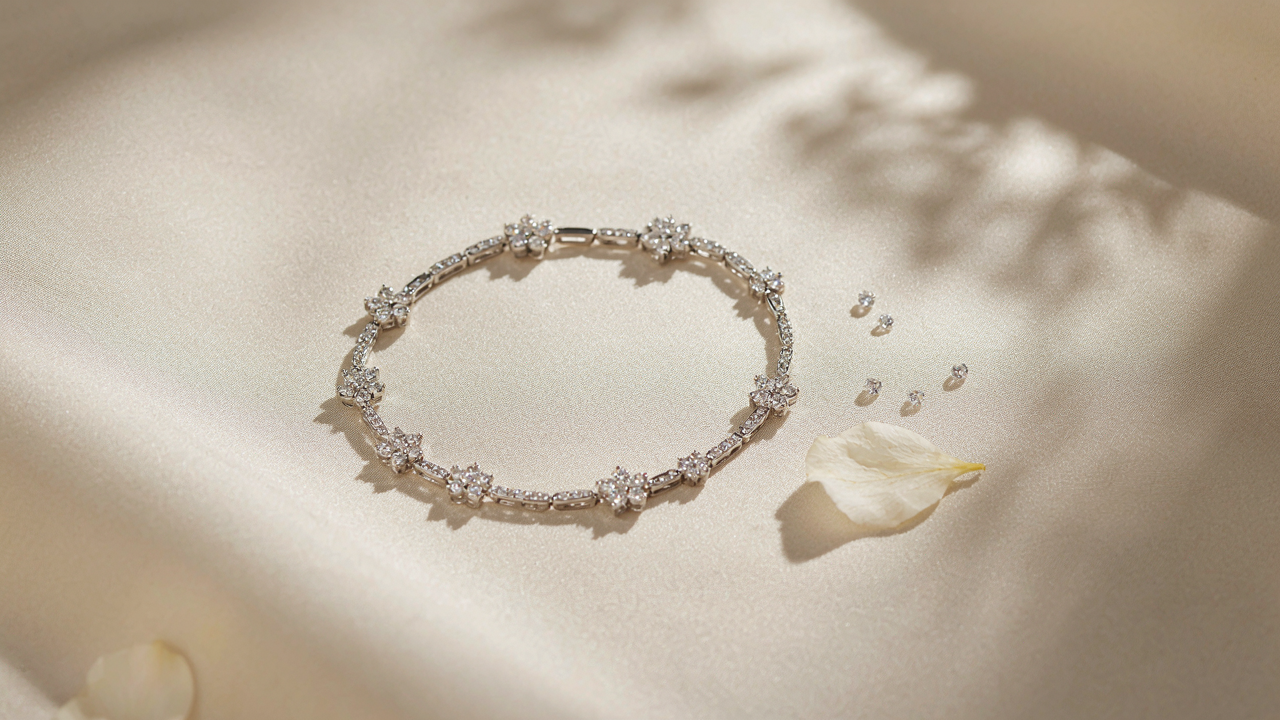
There are few things more difficult to judge in retail stores than jewelry pieces. The beauty of a diamond and the quality of a ring cannot be judged without adequate lighting and proper explanations from the salesperson. That is why the fine jewelry store is as important as the item.
How to Assess Quality in Fine Jewelry Stores?
Respected merchants will have detailed information about the products they sell. The items will be labeled with their material and weight, and the employees will be able to provide all that information without any need for questioning. The buyer should insist on written descriptions of the products. A respected store will be able to give the carat weight, cut, color, and clarity of the diamond, along with the karat weight and finish of the gold. A merchant who backs his merchandise will allow the customer to get the facts verified by an independent appraiser or laboratory.
What Sets Luxury Jewelry Stores Apart in Craftsmanship?
It is tough to judge craftsmanship from a display case, yet there are some elements that may be immediately examined. The prongs should be equal and tight around each stone. It should be level, with neat edges and uniform polish. Matching pieces, such as earrings or bands, should be proportioned and finished. Many luxury jewelry stores maintain in-house workshops or rely on a small group of experienced craftspeople. Buyers should ask who sizes, sets, and fixes the pieces. Shops that do work on site, or can name the artisans who do, usually have better control over quality.
How to Verify Diamond Quality, Metal Purity and Hallmarks?
The process begins with documentation. In the case of diamonds, an independent lab report from an institution such as the Gemological Institute of America (GIA) serves as documentation. The GIA report does not determine the beauty of a diamond, and two diamonds with similar grades may look quite different when placed in one particular setting.
In the case of metals, one should check the stamp in the ring or clasp. 14K has about 58 percent of gold, while 18K has 75 percent. 750 marks the same purity as 18K. Sterling silver is marked 925, and platinum is marked 950. Hallmarking ensures that you have the right metal, but it does not show the quality of the craftsmanship. Jewelry that is marked "gold-plated" or "gold-filled" is sometimes sold at the same price as solid gold jewelry.
What to Expect from Designer Jewelry Boutiques?
Designer jewelry boutiques have a different inventory and approach than regular jewelers. These shops often have one-off designs, small production runs, and things you won't find anywhere else. A lot of their worth comes from their exclusivity, which also affects the price Buyers are paying for design development and materials.
Many boutiques may accommodate specific requirements, including sizing, stone choices, or metal tone. Buyers also should ask about the schedule, the deposit, and the process for evaluating sketches or approving adjustments before they commit. Answers to these questions are clear and show a highly structured business. If the answers you get seem vague or inconsistent, it’s time to stop and gather more information.
Which Services Matter When Choosing a Fine Jewelry Store?
After-sale service plays a vital role in ensuring long-term satisfaction. The buyer needs to ensure that services such as resizing, cleaning, and appraising are available and if there are any time limitations for such services. Information about returns, exchanges, and buy-backs or trade-ins needs to be provided in writing, as these factors influence the value of the purchase.
Appraisals are yet another aspect that needs to be considered. For insuring jewelry, it is essential to provide information in the form of a written appraisal, which will be required by insurance companies. In case the store provides financing, one needs to check the interest rate and payments before finalizing an arrangement.
Factor | What Good Looks Like | Warning Sign |
Diamond documentation | Independent lab report available on request | Only an in-house "certificate" with no lab named |
Metal marking | Clear karat or purity stamp on every piece | Vague terms like "gold tone" on solid-gold prices |
Repairs and sizing | In-house workshop or named, trusted craftspeople | "We send it out" with no details |
Return policy | Written, reasonable window, clearly explained | Verbal promises only |
Appraisals | Detailed, written, and suitable for insurance | Reluctance to provide one |
Pricing | Clear explanation of how each price is set | Pressure to decide quickly |
Conclusion
Choosing fine jewelry stores is mostly about the quality of information a store delivers. Retailers that document their materials, explain their craftsmanship, back their stones with independent reports, and service their pieces post-sale tend to achieve long-term customer trust. This is true for traditional jeweler counters as well as for luxury jewelry stores with formal showrooms. Buyers should write down their questions, compare the answers they get from multiple stores, and move at a speed that allows them to evaluate carefully.
Frequently Asked Questions
Q1. Do I need a lab report for every diamond I buy?
For larger or higher-value stones, an independent lab report is strongly advisable because it provides a standardized description for comparison. For smaller stones, a detailed written description from the seller may be sufficient, provided the specifications are stated clearly.
Q2. Does a higher price always indicate better quality?
No. Price reflects several factors, including brand reputation, design, retail location, and operating costs. Buyers should assess metal marking, stone documentation, and craftsmanship directly before judging whether a price is justified.
Q3. How often should fine jewelry be inspected?
An annual inspection is a reasonable standard, particularly for rings and pieces worn daily. Inspections can identify loose prongs or worn clasps early. Many stores provide this service at no charge, and buyers should confirm the terms at the time of purchase.
